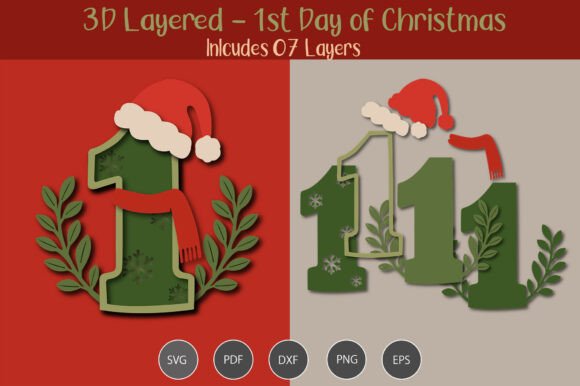
3D Layered 1st Day of Christmas Review for Real Projects
As an experienced embroidery designer and product reviewer, I always approach a new machine embroidery design with curiosity but also caution. The 3D Layered 1st Day of Christmas caught my attention not just for its festive theme, but for the layered depth it promises—something that can elevate even the simplest handmade product into something memorable. In this review, I’ll walk through how this design holds up in real-world applications and what to watch out for when using it on various projects.
First Impressions: Festive Depth with a Designer’s Touch
The 3D Layered 1st Day of Christmas design is immediately eye-catching. It features a classic Christmas motif—an elegant “1st Day of Christmas” text or symbol—but with a layered construction that gives it a tactile, almost sculptural quality. This kind of design isn’t just decorative; it tells a story. The mood is warm and celebratory, fitting perfectly for holiday-themed items like custom sweaters, tote bags, or personalized gifts.
Visually, the layout feels balanced and intentional. Each layer seems to add structure without overwhelming the overall composition. As someone who values both aesthetics and stitchability, I appreciate the thoughtful use of shapes and spacing. However, the detail level does mean it requires careful planning when applied to certain fabrics or surfaces.
Real-Life Application: What Works Best
I tested the 3D Layered 1st Day of Christmas on a few different handmade products, including a custom sweatshirt, a patch, and a tote bag design. Here's how it performed:
- Sweatshirts and T-Shirts: The design works beautifully on medium to large-sized garments. The 3D effect adds dimension without looking cluttered, especially if you use high-quality thread colors and a stable fabric base.
- Tote Bags: A tote embroidered with this design became an instant hit. The layered look gave it a premium feel, perfect for selling as a holiday gift or branded item in a small shop product lineup.
- Baby Clothes: While the theme is festive, I found that the design’s complexity might not be ideal for delicate baby items unless simplified or resized significantly.
- Embroidered Patches: The 3D Layered version made a strong visual impact here, especially when stitched onto felt or woven applique material. The texture added by the layers makes it pop on denim jackets or canvas totes.
- Pillow Covers and Tea Towels: These are great for showcasing the design’s full potential. The stitch density and layering work well on cotton or linen, giving a cozy, handcrafted appeal.
Overall, the 3D Layered 1st Day of Christmas shines on items where a bit of luxury and holiday charm are desired. It’s particularly effective for boutique branding or Etsy sellers looking to create standout seasonal listings.
Where Caution Is Key: Limitations and Considerations
While the design has a lot going for it, there are a few scenarios where it might not perform as well. Here’s where I’d advise careful use:
- Small Hoop Sizes: If your hoop size is limited, the layered elements might get lost or distorted. Always confirm the recommended hoop size before starting a project.
- Textured Fabrics: On knits, flannel, or other textured materials, the 3D effect may flatten slightly or cause puckering if stabilizer isn’t used properly.
- Thin or Stretchy Fabrics: Delicate or stretchy materials like silk or spandex aren’t ideal for this design due to the heavy stitching involved. It needs a more rigid base to hold up.
- Dark Fabric Backgrounds: Thread color contrast becomes critical here. You’ll want to test different thread combinations to ensure visibility and vibrancy.
- Curved Surfaces (Caps, Hats): The design’s structure doesn’t adapt well to curves without some manual adjustment. Use a curved mockup preview if available.
- Frequent Washing: Items like kitchen towels or aprons will need reinforced backing or extra stabilizer to maintain shape and integrity over time.
In short, this is a design best suited for mid-to-large projects on stable, light-colored fabrics where the 3D effect can truly shine.
Design Impact on Product Value and Customer Appeal
From a business perspective, the 3D Layered 1st Day of Christmas has strong giftability. Its rich visual personality helps your handmade product stand out among generic holiday prints. Customers tend to gravitate toward designs that feel special and crafted with care, which this one definitely does.
For Etsy sellers and craft fair vendors, this design could become a signature piece during the December season. It adds a sense of professionalism and brand consistency, especially if paired with other holiday-inspired design assets. But don’t forget to consider the practical side: dense areas and multiple layers can increase production time and cost. Be transparent with buyers about what they’re getting.
Designer Notes: Tips Before Stitching
Here are some practical tips I’ve picked up while working with the 3D Layered 1st Day of Christmas design:
- Test on Scrap Fabric First: Always do a trial run. Especially with layered designs, it’s important to see how each section interacts with the others after stitching.
- Check Thread Color Contrast: Choose thread colors that stand out against your fabric. Dark red on dark green won’t have the same impact as bright red on white.
- Review Stitch Density: The fill stitches in the layers can sometimes bunch if the fabric isn’t stabilized correctly. Adjust settings based on your machine and material.
- Confirm Hoop Size: If the design stretches across multiple hoops, make sure the alignment is seamless. Otherwise, the 3D illusion may break.
- Inspect Small Details: Look at how the smallest parts of the design behave. Tiny lettering or intricate lines can misbehave if not given enough space or support.
- Use Proper Stabilizer: For best results, especially on stretchy or thin fabrics, opt for cut-away or tear-away stabilizers to prevent distortion.
- Test in Black and White: Sometimes the magic of a design comes from its contrast rather than color. Make sure it still looks good if printed in grayscale for previews or printable mockups.
- Compare Light and Dark Backgrounds: Try stitching the design on both light and dark fabrics to see how it adapts. This helps determine if it should be labeled as suitable for all backgrounds or only specific ones.
- Check Licensing Terms: If you plan to sell finished items or digital embroidery files, always verify the licensing agreement. Some designs require royalties or restrictions on commercial use.
Stitch Clarity and Presentation: Making It Work
One thing I noticed early on was that the 3D Layered 1st Day of Christmas relies heavily on stitch clarity to maintain its intended appearance. Dense areas, especially around the layered sections, need consistent tension and high-quality threads to avoid lumps or gaps. If you're aiming for a professional finish, take the time to fine-tune these aspects.
When creating a sweatshirt embroidery project, I found that using a satin stitch border helped frame the design and made it feel more polished. For custom apparel or nursery decor, the design’s boldness works well, but it can overwhelm smaller patches or subtle personalized gifts.
Final Thoughts for Crafters and Embroidery Entrepreneurs
The 3D Layered 1st Day of Christmas is a solid choice for those who want to bring a touch of sophistication to their holiday offerings. Whether you're designing for a craft business or creating a unique handmade product, this design can help build customer trust and engagement. Just be mindful of the fabric type, background color, and hoop size requirements.
If you're considering adding this to your design assets library, think about how it pairs with other holiday motifs. Could it be part of a larger set of digital embroidery files? Can it serve as a central feature in a printable mockup for your online store?
Ultimately, this is a versatile and visually appealing embroidery file, but it’s not a one-size-fits-all solution. Treat it like any other machine embroidery design: with respect, preparation, and a clear understanding of where it thrives—and where it doesn’t.