Shabby Chic Rose Junk Journal Bookmark Review
As an embroidery designer with years of experience in both personal and commercial projects, I’ve tested countless machine embroidery designs, each with its own charm and limitations. Today, I’m sharing my hands-on evaluation of the Shabby Chic Rose Junk Journal Bookmark — a design that immediately caught my eye for its romantic aesthetic and vintage appeal. This is not just a product review; it’s a real-world assessment based on how it performed across multiple crafts and materials.
First Impressions: A Touch of Romance and Rusticity
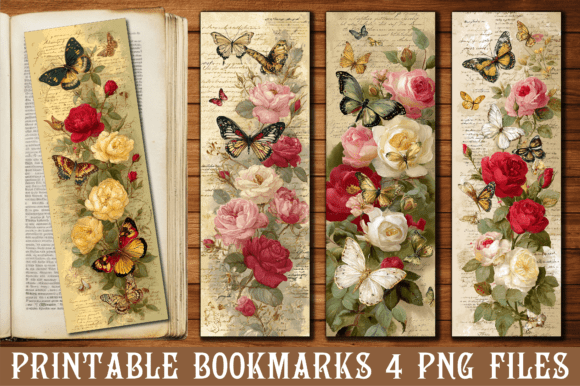
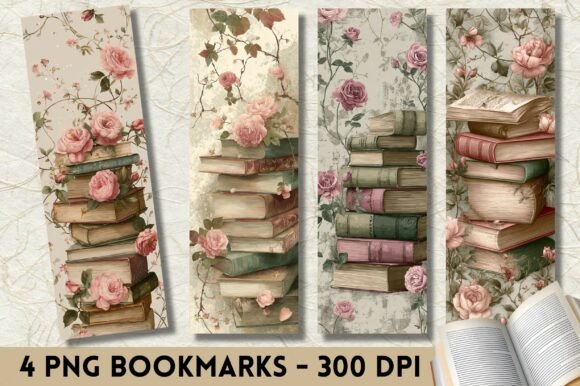
The Shabby Chic Rose Junk Journal Bookmark exudes a soft, nostalgic vibe. It features a delicate rose motif with subtle shading and a hand-drawn quality that gives it character. The layout is compact but detailed, making it ideal for smaller embroidery projects. The visual personality leans toward cottagecore and bohemian styles, which makes it perfect for those who want to add a whimsical touch to their handmade creations without overwhelming the piece.
What stood out was the balance between elegance and simplicity. The rose is stylized enough to feel artistic but retains a level of realism that adds warmth. The accompanying “junk journal” elements like faux torn edges or aged textures suggest it’s meant for more than just fabric — it could also work well in digital mockups or printed items. But when applied to actual embroidery files, the design still holds up beautifully, especially when stitched with care.
Real-Life Use Scenarios
I used this design in a few different contexts to test its versatility:
- Custom Apparel: Stitched onto a cotton-linen blend tote bag using satin stitch for the rose and fill stitch for the background details. The result was charming and added a unique flair that appealed to boutique shoppers looking for artisanal pieces.
- Baby Items: Tested on a muslin baby blanket with a light pastel background. The rose looked sweet and soft, though I had to adjust stitch density slightly to avoid overstuffing the thin fabric.
- Embroidered Patch: Applied to a felt patch for a DIY apron. The design worked well here, especially since felt handles dense stitching better than lighter fabrics. The overall presentation was professional and suitable for resale as part of a handmade product line.
- Nursery Decor: Used on a decorative pillow cover made from medium-weight quilting cotton. The rose looked elegant and fit right into a cozy, personalized space. I paired it with a small monogram to create a cohesive look for a client’s custom order.
- Holiday Gifts: Placed the design on a set of linen tea towels for a Christmas market listing. Customers were drawn to the romantic aesthetic, and the detail in the rose helped justify a higher price point for the personalized gift.
Across all these uses, the Shabby Chic Rose Junk Journal Bookmark maintained its integrity and visual appeal. Its layered elements allowed for some creative variation in thread colors, which is always a bonus for Etsy sellers or creative entrepreneurs aiming to customize the look for different clients or seasons.
Where to Use With Caution
While this design has a lot going for it, there are certain situations where it might not be the best choice. Here are a few things to consider before applying it to your next project:
- Small Hoop Sizes: The bookmark is fairly detailed, so if you’re working within tight hoop size constraints, some elements may become distorted or lose clarity. Always confirm the minimum recommended hoop size from the seller.
- Textured Fabrics: On canvas or denim, the design can appear muddled unless you use high-quality thread and a good stabilizer. The intricate lines of the rose don’t translate well on very coarse surfaces.
- Thin Fabric: For lightweight silks or rayons, this design requires extra support. Without proper backing, the fabric can pucker or tear during the running stitch portions.
- Stretchy Material: Stretchy knits can cause the shape of the rose to deform. If you must use it on stretch fabric, consider adjusting the stitch type to something more flexible.
- Dark Backgrounds: The subtlety of the rose works best on light-colored or neutral-toned materials. On darker fabrics, the contrast between the stitches and the background may not pop as intended. Always test thread color contrast first.
- Curved Surfaces: When I tried the design on a curved cap surface, the alignment was tricky. Curved areas require careful positioning and sometimes scaling down to maintain clarity.
- Dense Stitch Areas: Some parts of the design feature tight fill stitches that could lead to puckering or stiffness on delicate materials. Adjusting stitch density or using alternative stitch types (like lazy daisy) might help preserve the fabric’s drape.
Design Notes for Embroidery Professionals
If you're considering using the Shabby Chic Rose Junk Journal Bookmark in your business or for client orders, here are a few practical tips:
- Test on Scrap Fabric First: Before committing to a full run of custom apparel or small shop products, always stitch the design on a sample of the final material. This helps identify potential issues with stabilizer or stitch density.
- Review Thread Colors: The original palette is soft and feminine, but depending on your brand or customer preferences, you may want to swap out a couple of hues. Make sure the new colors still provide adequate visibility against the chosen fabric.
- Check Machine Compatibility: As with any digital embroidery file, ensure your machine supports the format provided. If unsure, contact the seller for confirmation.
- Use Proper Stabilizer: Especially for thin or stretchy materials, a tear-away or cut-away stabilizer can make a big difference in preserving the design’s crisp lines and preventing distortion.
- Consider Lighting in Mockups: When creating printable mockups or previews for your Etsy listings, test the design under various lighting conditions. The rose looks great in natural light, but may need enhancement in low-light environments.
- Confirm Licensing Terms: If you plan to sell finished items or digital assets based on this design, double-check the licensing agreement. Many designers offer exclusive rights for commercial use, and it's crucial to stay compliant.
Visual Appeal and Customer Reaction
This design adds a refined, vintage-inspired element to any handmade product. In a recent project for a local craft fair, customers were particularly taken by the rose’s gentle curves and the aged texture around the edges. It felt intentional and authentic, which is exactly what today’s craft buyers are looking for.
The Shabby Chic Rose Junk Journal Bookmark elevates the perceived value of a product. Whether it’s a sweatshirt embroidery or a holiday gift, the design brings a sense of thoughtfulness and artistry. For commercial embroidery purposes, this kind of visual storytelling can significantly boost buyer engagement and increase sales.
One thing to note is that while the design is beautiful, it may not suit every style. Clients seeking bold, modern graphics might find it too delicate. However, for those in the shabby chic or vintage crafts niche, this is a standout.
Professional Presentation and Brand Consistency
For craft business owners, maintaining a consistent brand image is key. The Shabby Chic Rose Junk Journal Bookmark fits naturally into a cottagecore or boho-themed collection. Its muted tones and soft lines align with the aesthetics of handmade shops that prioritize warmth and individuality over mass-produced sameness.
I recommend pairing it with other similar motifs — think lace patterns, floral borders, or handwritten phrases — to create a cohesive design asset library. It’s also worth noting that the design’s layout allows for easy integration with text, which is helpful for adding names, dates, or short messages to personalized gifts or apparel decorators’ custom orders.
Final Thoughts for Makers and Sellers
Overall, the Shabby Chic Rose Junk Journal Bookmark is a versatile and visually appealing machine embroidery design that works well in many settings. It’s especially suited for tote bag designs, pillow covers, and embroidered patches where a soft, romantic touch enhances the product’s charm.
That said, success with this design depends on thoughtful application. Pay attention to fabric choice, stitch adjustments, and placement. It’s a design that rewards preparation and care, and when done right, can become a signature element in your handmade shop or branding toolkit.
So, whether you’re an embroidery designer working on a new collection or an Etsy seller aiming to elevate your offerings, take the time to understand how this design behaves. Once you do, you’ll likely find it a valuable addition to your repertoire of crafts and commercial embroidery assets.