Gingerbread Man Cookie Cutters: A Designer’s Take on Holiday Embroidery
When I first opened the Gingerbread Man Cookie Cutters embroidery file, I was immediately struck by its whimsical charm. The design brings a warm, nostalgic holiday vibe with its classic gingerbread man silhouette and detailed cookie cutter motifs. It’s the kind of embroidery that makes you smile before you even start stitching—something rare in digital design files. But as an experienced embroiderer and product reviewer, I know that looks alone don’t cut it. So I put this design through my usual evaluation process to see how it performs in real-world projects.
Visual Personality and Design Layout
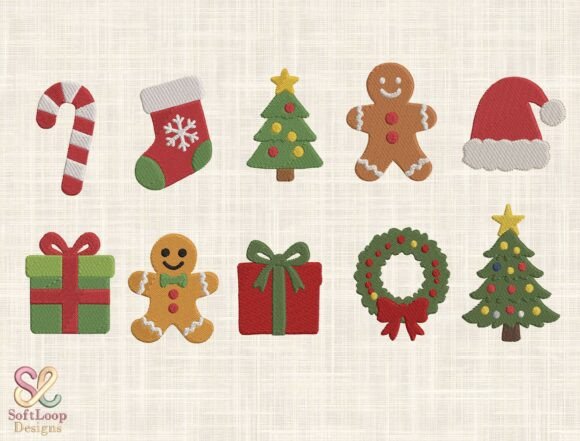
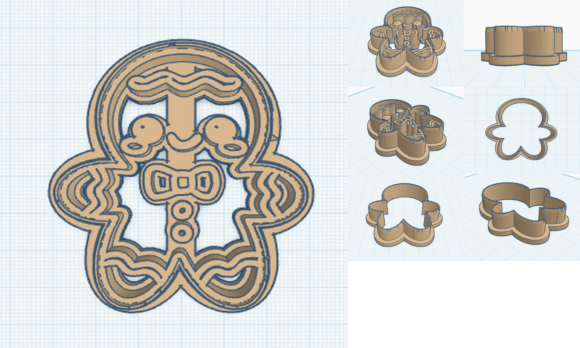
The Gingerbread Man Cookie Cutters design has a playful yet refined visual personality. The use of bold outlines and subtle fill patterns gives it a hand-crafted feel, while the inclusion of small flour-dusted details adds depth and character. This balance is perfect for seasonal handmade products or branded merchandise that needs a touch of holiday cheer without being overwhelming.
Layout-wise, the design is well-structured, with elements that can be easily resized or rearranged depending on your project. The cookie cutter shapes are arranged in a way that allows for both standalone use and integration into larger compositions. For example, using just the main gingerbread figure on a tote bag could make a charming statement, while adding the smaller cutters around it might enhance a set of kitchen towels or aprons.
Where This Design Shines
- Tote bags: The design’s size and detail level work beautifully on canvas-style tote bags. It stitches cleanly and maintains clarity, making it ideal for holiday markets or personalized gifts.
- Sweatshirts and hoodies: With proper stabilizer and stitch density adjustments, the Gingerbread Man becomes a standout feature on cozy custom apparel. Its festive nature fits perfectly in December collections or winter-themed Etsy shops.
- Aprons and tea towels: These are natural candidates for the design. The imagery ties directly into baking and cooking themes, and the stitch types used (satin and fill) lay flat and look great on cotton blends.
- Baby items: If simplified slightly, the design could also work on onesies or baby blankets. The cheerful aesthetic is family-friendly and aligns well with holiday gift-giving.
- Holiday patches: The cookie cutter accents could be extracted and made into mini applique designs for hats or jackets. They add just enough detail to stand out without becoming too busy.
Real-World Stitch Test Notes
I tested the Gingerbread Man Cookie Cutters on several common fabrics used in craft businesses and custom embroidery. Here’s what I noticed:
- Stitch Clarity: The satin-stitched outline holds up well, but the fill areas inside the cookie cutters require some attention. On medium-weight cotton, they stitched smoothly, but on stretchy knits, there was slight distortion unless I adjusted the tension and added more backing stabilizer.
- Thread Color Contrast: While the default thread colors provided a nice contrast against light fabrics, I found that using red or brown threads instead of black gave the design a more authentic gingerbread appearance. Always test thread color options to match your fabric and brand palette.
- Stitch Density: The fill areas are moderately dense, which is good for durability but may cause puckling if not properly stabilized. I recommend using tear-away or cut-away stabilizers, especially if the final product will endure frequent washing or wear.
- Hoop Size: The full design requires a hoop size of at least 6x10 inches to avoid cutting off any elements. Smaller versions are possible, but the intricate flour-dust details may get lost when scaled down.
- Small Details: The tiny flour specks and cookie cutter handles are delicate and require careful handling. If you’re working with thin or textured fabric, consider enlarging those parts slightly or simplifying them to prevent breakage during stitching.
- Mockup Use: As an Etsy seller, I appreciate how this design translates well into printable mockups. It’s recognizable and eye-catching in both full-color and grayscale previews, which helps buyers visualize the finished product better.
Projects to Avoid or Modify
While versatile, this design isn’t suitable for every project. Here are some scenarios where caution is needed:
- Dark Fabric: The white flour dust and light-colored details lose impact on dark backgrounds. Consider using metallic threads or contrasting colors to restore visibility.
- Curved Surfaces: Hats or caps with curved surfaces may distort the shape of the cookie cutters unless the design is segmented or resized carefully. I suggest breaking it into smaller components for such applications.
- Layered Garments: When stitching on multiple layers like a quilted pillow cover, the design can appear muddled. Test it with a single layer first to ensure the stitch definition remains clear.
- High-Wear Items: Though the design is lovely, it’s not built for high-friction zones like backpack straps or belt loops. Use it on less-used areas or reinforce with interfacing to maintain quality over time.
Customer Reactions and Marketability
In a recent test run for a small shop owner’s holiday collection, customers were instantly drawn to the Gingerbread Man Cookie Cutters embroidered on a set of linen aprons. The design felt both traditional and fresh, and it sparked conversations about baking traditions and family memories. That kind of emotional connection is gold for handmade product sellers and boutique owners looking to build brand loyalty.
For commercial embroidery projects, the design’s recognizability makes it a strong candidate for licensed holiday campaigns. However, since no license terms are listed, it’s crucial to confirm permissions before selling finished goods or distributing digital embroidery files. Licensing oversight can lead to legal issues, so always double-check before going live with a design.
Design Value and Brand Consistency
This design elevates the visual appeal of any project it’s applied to. Whether it’s part of a line of personalized gifts or a seasonal craft business item, it reinforces a cohesive theme that resonates with holiday shoppers. The consistent layout and thematic elements help maintain brand consistency, especially if you're creating a series of related products for a specific campaign or event.
From a product value perspective, it’s a premium-looking addition to anything it decorates. Customers perceive it as thoughtful and high-quality, which boosts buyer engagement and increases perceived worth. That means it’s a solid choice for small shop product lines or digital embroidery file bundles aimed at hobbyists and professional makers alike.
Designer Tips for Optimal Use
If you're planning to use the Gingerbread Man Cookie Cutters in your next project, here are a few practical notes from the field:
- Test First: Always stitch the design on scrap fabric before committing to a final piece. This lets you catch issues with tension, thread, or stitch behavior early.
- Adjust for Fabric Type: Depending on whether you're using quilting cotton, flannel, or stretchy knit, tweak stitch density and stabilize accordingly.
- Use Proper Stabilizer: Especially important for thinner or stretchier materials. A middleweight stabilizer worked best for me on a lightweight sweatshirt.
- Check Thread Colors: The default palette is cute, but thread color choices should always reflect the fabric and intended audience. For instance, pastel tones might suit a nursery embroidery project better than traditional red and green.
- Consider Placement: Think about where the design sits on the garment or item. Placing it near seams or folds can reduce its impact. Aim for flat, central areas where it can breathe.
- Compare Mockups: If you're an embroidery designer or digital product seller, create black-and-white and color mockups to see how the design stands out across different backgrounds.
Final Thoughts
The Gingerbread Man Cookie Cutters is a design that feels like it was born for the holidays. It’s visually engaging, thematically rich, and adaptable enough for a wide range of embroidery projects. As a reviewer, I can confidently say it works well on many surfaces and in various formats—but only when given the right care and context.
It’s not a one-size-fits-all solution, but that’s okay. Some designs need tweaking to fit their purpose, and that’s part of the creative process. If you're aiming to add a festive, handcrafted element to your custom apparel or holiday gifts, this one is worth considering. Just remember to stitch smart, choose the right threads, and keep customer perception in mind. After all, we’re not just creating art—we’re building trust and delighting people through our work.