Ornate Heart Pendant SVG Cut Files: A Designer's Practical Take
As an embroidery designer and product reviewer with years of hands-on experience, I always approach new digital embroidery designs from a real-world perspective. The Ornate Heart Pendant SVG Cut Files caught my eye not just for its romantic symbolism, but for how it might translate into tangible, high-quality handmade products. This design has a distinct visual presence that makes it appealing for both personal and commercial use. Here’s how I see it fitting into different embroidery projects, where it might fall short, and what you should keep in mind before using it on your next creation.
First Impressions: Elegant and Versatile
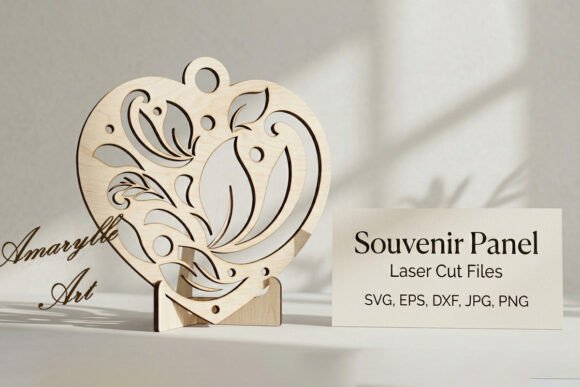
The Ornate Heart Pendant is a classic heart shape, but with intricate detailing that sets it apart from generic Valentine’s Day motifs. It feels more like something you'd find on vintage jewelry than a simple embroidery file. The layered structure suggests potential for appliqué or dimensional work, while the overall layout maintains balance and symmetry. It’s a mood-boosting design—whimsical yet sophisticated. That duality makes it adaptable to various markets, from boutique fashion pieces to personalized gifts.
What stands out immediately is the level of detail. The filigree-like patterns along the edges give it a sense of craftsmanship and artistry. As someone who values stitch clarity and design integrity, I was curious about how these fine lines would hold up in real-life stitching scenarios. Would they look as elegant on fabric as they do on screen? Let’s dig into that.
Where This Design Shines
This heart pendant works exceptionally well in several contexts. For example, when I recently prepared a custom embroidered sweatshirt for a client, I considered using this design as a central graphic. The ornate elements added depth without overwhelming the garment. It also looked promising on a tote bag design, especially when paired with minimal text or another complementary motif.
- Custom Apparel: Sweatshirts and t-shirts benefit from the pendant’s bold yet refined shape. It can serve as a statement piece or be tucked subtly into a corner.
- Baby Embroidery: The heart feels warm and loving, making it ideal for baby clothes or nursery decor. Just be mindful of the detail level if using on stretchy or delicate fabrics.
- Patches and Keychains: As an applique design, the pendant could be used to create embroidered patches or keychain accents. Its structured form holds up well in small formats.
- Holiday and Wedding Gifts: The design adds a timeless touch to holiday-themed items or wedding favors like pillow covers and tea towels. It brings a sense of thoughtfulness and care.
- Etsy Listings and Boutique Merchandise: When creating digital product previews or printable mockups, this design elevates the visual appeal of handmade items. It gives your shop a professional edge and increases buyer engagement.
A Note on Stitch Clarity and Visual Appeal
I found the stitch paths to be well-organized, which is crucial for maintaining the design’s elegance after cutting and stitching. The satin stitch outlines define the shape clearly, while the fill stitches within the pendant add dimension without becoming too busy. The running stitch details are precise, which helps in preserving the ornate feel even on less forgiving materials.
When applied to light-colored cotton or linen, the pendant really comes alive. The contrast between the white background and colored thread makes the design pop. On darker fabrics, the effect is more subdued, which can actually enhance the vintage aesthetic depending on the context. Still, I recommend testing it on both color extremes to ensure visibility meets your expectations.
Designs That Demand Careful Consideration
While the Ornate Heart Pendant SVG Cut Files are visually striking, there are specific situations where caution is needed to avoid compromising the final product:
- Small Hoop Sizes: The detailed corners and inner embellishments require space to lay flat. If you're working with tight hoop sizes, consider scaling down carefully and reviewing stitch density to prevent distortion.
- Textured or Stretchy Fabrics: These can cause misalignment or puckering, especially around the fine lines and curves. A smooth, stable base will help maintain the design’s integrity.
- Frequent Washing: Because of the dense areas and delicate parts, frequent laundering may lead to fraying or loosening. Recommend using durable stabilizers and quality threads for long-lasting results.
- Curved Surfaces: When trying this on caps or curved surfaces, test the design first. The pendant’s shape may not conform perfectly unless adjusted for the curvature.
- Thin or Delicate Fabrics: Thin knits or silks may struggle to support the weight of the design, especially if using multiple layers of thread or a thick stabilizer.
Designer Tips for Real Project Use
Here are some practical notes I’ve taken when working with similar designs:
- Test on Scrap Fabric First: Always run a sample stitch before applying the design to your final project. This helps catch any issues with scale or fabric compatibility early.
- Review Thread Color Contrast: Especially important for tote bags or apparel. Darker thread colors may lose definition on certain backgrounds, so experiment with color variations.
- Confirm Hoop Size: Check the recommended hoop size based on your machine and fabric type. Some machines have limitations that affect how large or complex a design can be.
- Use Proper Stabilizer: Given the intricacy of the design, medium-weight tear-away or cut-away stabilizers often yield the best results.
- Inspect Small Details: Zoom in on the SVG file to ensure all fine lines and curves are intact. Missing points can lead to gaps in the finished embroidery.
- Test in Black and White Mockups: This helps assess whether the design will still be legible and attractive in grayscale, which is useful for preview images or monochrome thread schemes.
- Check Licensing Before Selling: If you plan to sell finished products or digital files, confirm the licensing terms. Not all free designs allow commercial use, and violating those can harm your brand reputation.
Impact on Brand and Buyer Engagement
From a branding standpoint, the Ornate Heart Pendant offers strong recognition value. It’s distinctive enough to stand out in crowded marketplaces like Etsy or craft fairs, yet familiar enough to evoke emotion. Whether you’re creating a line of holiday gift tags or selling custom sweatshirts, this design adds a layer of professionalism and intentionality that customers notice and appreciate.
In terms of handmade presentation, the pendant enhances the perceived value of the product. It suggests attention to detail and a connection to traditional craftsmanship, which appeals to many buyers seeking meaningful, personalized items. For small shop owners and creative entrepreneurs, this kind of design helps build customer trust and reinforces a cohesive brand identity.
Final Thoughts for the Craft Business Owner
Embroidery isn’t just about transferring a design onto fabric—it’s about ensuring that every element aligns with the purpose of the product. The Ornate Heart Pendant SVG Cut Files offer a lot of potential for thoughtful, high-quality embroidery projects. However, their complexity means they demand careful planning and execution. They work beautifully on soft goods like tote bags, sweatshirts, and aprons, but may not suit smaller or more dynamic items like keychains or hats without modification.
For hobbyists and makers, this design is a great addition to your digital library. It opens up creative possibilities for holiday embroidery, baby items, or decorative accents. For commercial embroidery projects, it’s worth verifying the file format, machine compatibility, and licensing to ensure everything is set for seamless production.
Ultimately, the Ornate Heart Pendant SVG Cut Files aren’t just a pretty image—they’re a versatile design asset that can elevate your handmade products when used thoughtfully. As with any embroidery project, success lies in preparation, experimentation, and understanding the interplay between design and material.